
Grain-Free Dog Food: Is It Worth It?
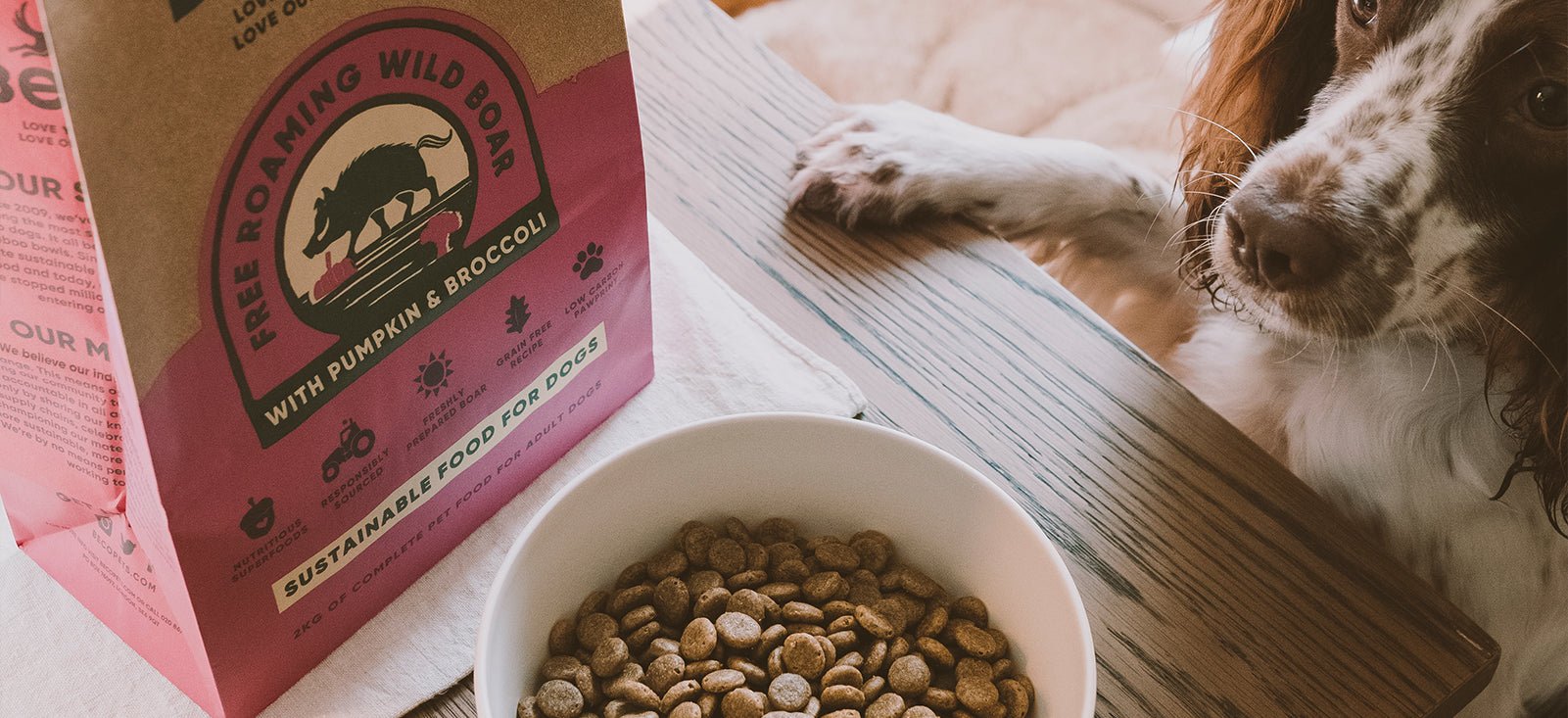
Grain-free dog food has surged in popularity over recent years, touted as a healthier option for our canine companions. But is it truly worth the hype? Let’s delve into the world of grain-free dog food, examining its benefits, potential drawbacks, and whether it might be the right choice for your furry friend.
Understanding Grain-Free Dog Food
Grain-free dog food is formulated without common grains such as wheat, corn, rice, barley, and oats. Instead, these foods often include alternative carbohydrate sources like sweet potatoes, peas, lentils, and tapioca. The shift away from grains aims to provide a diet that more closely mimics what dogs’ ancestors might have consumed in the wild.
Why Consider Grain-Free?
Several reasons have driven pet owners to opt for grain-free dog food:
- Allergies and Sensitivities: Some dogs exhibit allergies or sensitivities to grains, leading to symptoms like itching, digestive issues, and skin problems. Switching to grain-free options can alleviate these symptoms.
- Digestive Health: Proponents argue that dogs, being primarily carnivorous, have a harder time digesting grains. Grain-free dog food may be easier on their digestive systems.
- High-Quality Ingredients: Grain-free diets often emphasize higher quality proteins and whole food ingredients, promoting overall health.
Benefits of Grain-Free Dog Food
Reduced Allergies and Intolerances
One of the most significant benefits of grain-free dog food is the potential reduction in allergic reactions. Grains can be a common allergen for some dogs, leading to itchy skin, ear infections, and gastrointestinal discomfort. By eliminating grains, you may notice a marked improvement in your dog’s symptoms.
Improved Digestive Health
Dogs with sensitive stomachs often benefit from grain-free diets. Ingredients like sweet potatoes and peas are not only easier to digest but also provide a good source of fiber, aiding in smoother digestion. This can result in fewer incidents of diarrhea, constipation, and flatulence.
Better Skin and Coat Health
A diet rich in high-quality proteins and devoid of common allergens can lead to healthier skin and a shinier coat. Omega-3 and omega-6 fatty acids, often found in grain-free dog food, contribute to a glossy coat and reduced skin inflammation.
Weight Management
Grain-free dog food can be beneficial for weight management. The absence of high-carb grains can help prevent weight gain, particularly in less active dogs. Ingredients like lentils and chickpeas provide complex carbohydrates that release energy slowly, keeping your dog fuller for longer.
Enhanced Energy Levels
With a diet that closely mimics their natural dietary preferences, many dogs experience increased energy levels. The high-quality proteins and fats in grain-free dog food provide sustained energy, supporting active and playful lifestyles.
Potential Drawbacks of Grain-Free Dog Food
Despite its benefits, grain-free dog food is not without controversy and potential downsides.
Nutritional Imbalance
Some grain-free dog food formulations may lack essential nutrients that grains naturally provide. It’s crucial to ensure that the chosen grain-free food is well-balanced and meets all your dog’s nutritional requirements. Consulting with a veterinarian can help you select a high-quality, nutritionally complete product.
Cost
Grain-free dog food often comes with a higher price tag compared to traditional kibble. The premium ingredients and manufacturing processes can make these foods more expensive. Pet owners need to weigh the benefits against their budget constraints.
Heart Health Concerns
Recent studies have raised concerns about a potential link between grain-free dog food and canine dilated cardiomyopathy (DCM), a serious heart condition. While the exact cause is still under investigation, it’s believed that certain ingredients used in place of grains, such as peas and lentils, might contribute to this risk. It’s essential to stay informed about ongoing research and discuss any concerns with your vet.
Is Grain-Free Right for Your Dog?
Determining whether grain-free dog food is worth it ultimately depends on your dog’s specific needs and health conditions. Here are some factors to consider:
Your Dog’s Health
If your dog has shown signs of grain allergies or digestive issues, grain-free dog food could provide significant relief and improve their overall well-being. However, if your dog is healthy and thriving on a grain-inclusive diet, there may be no need to switch.
Consultation with a Veterinarian
Always consult your veterinarian before making any major dietary changes. They can provide personalized recommendations based on your dog’s age, breed, health status, and lifestyle. Your vet can also help you choose a reputable grain-free brand that meets all nutritional standards.
Trial and Observation
If you decide to try grain-free dog food, monitor your dog closely for any changes in their health, behavior, and overall well-being. Gradually transition their diet to avoid digestive upset and give their system time to adjust to the new food.
Top Grain-Free Dog Food Brands
1. Taste of the Wild
Taste of the Wild offers a variety of grain-free options featuring novel proteins like bison, venison, and salmon. Their formulas include antioxidant-rich fruits and vegetables, promoting overall health and vitality.
2. Blue Buffalo Wilderness
Blue Buffalo Wilderness is known for its high-protein, grain-free recipes that cater to dogs’ ancestral dietary needs. With real meat as the first ingredient and wholesome vegetables and fruits, it’s a popular choice for many pet owners.
3. Merrick Grain-Free
Merrick Grain-Free dog food provides a range of flavors and high-quality ingredients. Their recipes are crafted to offer balanced nutrition without grains, ensuring your dog gets all the necessary nutrients.
4. Wellness CORE
Wellness CORE focuses on protein-rich, grain-free diets that support lean body mass and overall health. Their formulas are free from artificial additives and fillers, making them a clean and nutritious choice.
5. Nutro Grain-Free
Nutro Grain-Free dog food features non-GMO ingredients and a commitment to high-quality, natural nutrition. Their recipes are designed to be easily digestible and packed with essential nutrients.
Conclusion
Grain-free dog food can offer numerous benefits, particularly for dogs with specific dietary needs or sensitivities. However, it’s essential to choose a balanced, high-quality product and consult with your veterinarian to ensure it’s the best choice for your pet. While it may come with a higher cost and some controversy, many dog owners find that the advantages for their pet’s health and well-being are well worth it. By staying informed and attentive to your dog’s unique needs, you can make the best decision for their diet and happiness.


